


Pioneering aircraft failed during US Navy experiment.
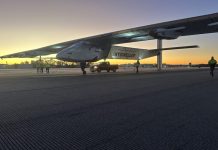
A solar-powered drone broke a flight record by staying airborne for eight days but crashed during US Navy experiments. The aircraft, originally named Solar Impulse 2, was repurposed as the Skydweller to test uncrewed flights and maritime patrols.
Built with a jumbo jet-like wingspan of 72 meters, the drone could operate using only solar energy and batteries. It was part of Fleet Experimentation (FLEX) exercises near Florida’s Key West, conducting surveillance and communication tasks for military purposes.
For builders and operators, this incident underscores the complexities involved in long-duration uncrewed flights, especially when integrated with other military assets. The failure raises questions about the reliability and safety of such technology in real-world scenarios.
The future involves continued testing and refinement to ensure drones can perform critical missions without compromising on safety or efficiency.
What matters
- A solar-powered drone crashed during a military exercise, ending its journey early.
- The incident highlights challenges in unmanned aerial vehicle operations.
- Builders and operators should monitor advancements in drone reliability.
Why it matters
Builders and operators should monitor advancements in drone reliability.
This GenAI News article was prepared in original wording using reporting and materials published by Ars Technica. Source reference: https://arstechnica.com/gadgets/2026/05/solar-drone-with-jumbo-jet-wingspan-broke-a-flight-record-then-it-crashed/.
Drafted by the GenAI News review pipeline.