
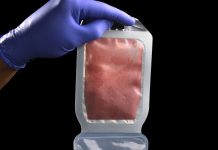


The Defense Advanced Research Projects Agency aims to fix blood storage limits that cause preventable deaths.
DARPA launched a $73 million program called RAPIID to address the military’s blood storage problems and develop synthetic alternatives. Navy officer Robert Murray leads the effort, which aims to create shelf-stable versions of blood products that can survive without refrigeration.
In 2007, an insurgent missile hit the evacuation helicopter Morphine 1-2 during a daylight blood run, and the crash killed all seven crew members. Murray studied that incident as an intelligence officer, and he now leads RAPIID at DARPA. The shortage causes about 10,000 preventable US deaths each year, according to the American College of Surgeons, and the global figure is likely in the millions.
Blood storage limits shape logistics for hospitals and military planners. Whole blood lasts 35 days refrigerated, platelets last a week or less at room temperature, and frozen red cells and plasma spoil within days after thawing. A JAMA study of combat injuries in Afghanistan found that a transfusion needs to start within 36 minutes. Shelf-stable synthetic alternatives aim to reduce that burden.
RAPIID teams will pursue shelf-stable blood products for military and civilian use. A 2025 Transfusion study found that just 1% of 1.2 million US trauma patients who potentially needed blood before reaching a hospital received it. Watch for preclinical results, field trials, and adoption by hospitals and emergency responders.
What matters
- DARPA started a $73 million program called RAPIID to create shelf-stable blood products.
- Blood’s 35-day refrigeration limit and short thawed shelf life force operators to manage fragile supplies.
- Watch DARPA’s RAPIID teams report shelf-stable blood prototypes and military field testing milestones.
Why it matters
Watch DARPA’s RAPIID teams report shelf-stable blood prototypes and military field testing milestones.
This GenAI News article was prepared in original wording using reporting and materials published by MIT Technology Review AI. Source reference: https://www.technologyreview.com/2026/10/14/1145807/us-military-race-to-make-fake-blood/.
Drafted by the GenAI News review pipeline.