
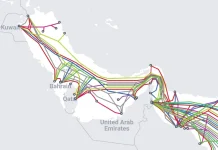


Fees could disrupt global internet traffic and increase costs for tech companies.
Iran has announced it will impose fees on Big Tech companies, such as Meta, Google, Amazon, and Microsoft, for using undersea Internet cables beneath the Strait of Hormuz. This move could significantly impact global internet traffic and increase operational costs. The Strait of Hormuz is a critical digital chokepoint through which over 99 percent of international internet traffic passes.
The announcement comes amid ongoing tensions following military conflicts in the region, where the U.S. and Israel have attacked Iranian navy vessels since February 28. Given that major active cables run through Iranian territorial waters at certain points, tech companies may face increased risks and costs for maintaining their networks. This could necessitate alternative routes to bypass the Strait of Hormuz.
For builders, operators, and enterprise teams, this development highlights the growing importance of resilient digital infrastructure and geopolitical considerations in network planning. Alternative routes and backup plans might be necessary to mitigate potential disruptions.
The situation is fluid, with ongoing military actions and negotiations. Builders and operators should closely monitor developments and work with local partners to ensure secure and reliable internet connectivity.
What matters
- Iran plans to charge US tech giants for using undersea Internet cables in contested waters.
- Implications include higher operational costs and potential alternative routes for internet traffic.
- Developers must now navigate complex geopolitical challenges affecting digital infrastructure.
Why it matters
Developers must now navigate complex geopolitical challenges affecting digital infrastructure.
This GenAI News article was prepared in original wording using reporting and materials published by Ars Technica. Source reference: https://arstechnica.com/tech-policy/2026/05/iran-demands-big-tech-pay-fees-for-undersea-internet-cables-in-strait-of-hormuz/.
Drafted by the GenAI News review pipeline.