
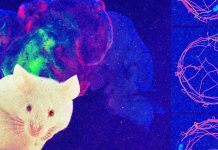


Genetically modified rodents let Stanford researchers study brain injuries, and the work raises ethical questions.
A Stanford team reported that it replaced nearly half of a mouse’s brain volume with human cells. The researchers modified the rodents so their brains did not fully develop, then let human brain tissue grow inside them. Cameras tracked one mouse as it moved through a small arena. The work could help scientists study brain injuries.
Stanford previously showed that human brain organoids could survive and even function after injection into the heads of baby rodents. The new work goes further by modifying mouse genetics so the animals’ own brains never fully develop. The team revealed the effort this week. The approach raises questions about how far these experiments should go.
For research teams, the experiment adds a new tool for studying brain injury without human subjects. Labs that work on neural tissue, organoids, or imaging pipelines can adapt similar methods. Ethical review around mixing species remains unsettled, and that uncertainty shapes which experiments move forward.
The next step is watching how oversight bodies and journals respond to chimeras with substantial human tissue. The researchers have said they draw a line, though the field has not settled on shared standards. Scientists also want to track how human cells affect the animals over longer periods.
What matters
- Stanford genetically modified mice so their own brains did not fully develop, then added human cells.
- Labs gain a new model for human brain injury that does not rely on human subjects.
- Watch how the researchers and their peers draw the line on how far this work should go.
Why it matters
Watch how the researchers and their peers draw the line on how far this work should go.
This GenAI News article was prepared in original wording using reporting and materials published by MIT Technology Review AI. Source reference: https://www.technologyreview.com/2026/09/17/1144314/the-download-mice-part-human-brains-climate-tech-innovators/.
Drafted by the GenAI News review pipeline.